

Your Partner in Training
Welcome to Tiny Tails Dog Training Chester! I'm here to support all your training needs, ensuring both you and your furry friend thrive. Let's embark on a journey of understanding and growth together.
Puppy Training 6 Weeks Course
🐾 Tiny Tails Dog Training Chester
6-Week Puppy Foundations Course
✨ Where Little Paws Learn Big Skills ✨
🎯 Course Overview
A structured 6-week programme designed to give puppies the best start in life, focusing on:
Obedience
Behaviour
Confidence
Calmness
Real-life skills
📍 Delivered 1:1 in your home
🐶 Suitable for puppies up to 6 months
🗓️ WEEK-BY-WEEK BREAKDOWN
🐾 Week 1 – Foundations & Engagement
Focus: Building connection
✔ Name response
✔ Engagement (focus on owner)
✔ Marker word (“yes”)
✔ Introduction to recall
✔ Routine guidance
💡 Goal: Your puppy chooses YOU
🐾 Week 2 – Basic Obedience
Focus: Communication
✔ Sit
✔ Down
✔ Luring techniques
✔ Beginning loose lead skills
✔ Handling skills (vet/groom prep)
💡 Goal: Clear communication between you and your puppy
🐾 Week 3 – Recall & Lead Walking
Focus: Control outside
✔ Reliable recall foundations
✔ Loose lead walking
✔ Prevent pulling early
✔ Focus around distractions
💡 Goal: Enjoyable, stress-free walks
🐾 Week 4 – Calmness & Settling
Focus: Switching off
✔ Settle training (bed/mat)
✔ Reducing over-excitement
✔ Teaching calm behaviour
✔ Managing zoomies
💡 Goal: A calm puppy at home
🐾 Week 5 – Socialisation & Confidence
Focus: The outside world
✔ Controlled socialisation
✔ Building confidence
✔ Preventing fear behaviours
✔ Neutrality around dogs/people
💡 Goal: Confident, balanced puppy
🐾 Week 6 – Independence & Real-Life Skills
Focus: Preparing for the future
✔ Separation training
✔ Independence building
✔ Real-life scenarios
✔ Troubleshooting
💡 Goal: A well-rounded, independent dog
📦 WHAT’S INCLUDED
✔ 6 x 1:1 sessions (60 mins)
✔ Personalised training plan
✔ Ongoing support between sessions
✔ Step-by-step guidance
✔ Progress tracking
💷 PRICING
Option 1:
Full Course (6 sessions): £270
✨ Save 10% vs single sessions
Option 2:
Pay As You Go: £50 per session
Training Services Tailored To You

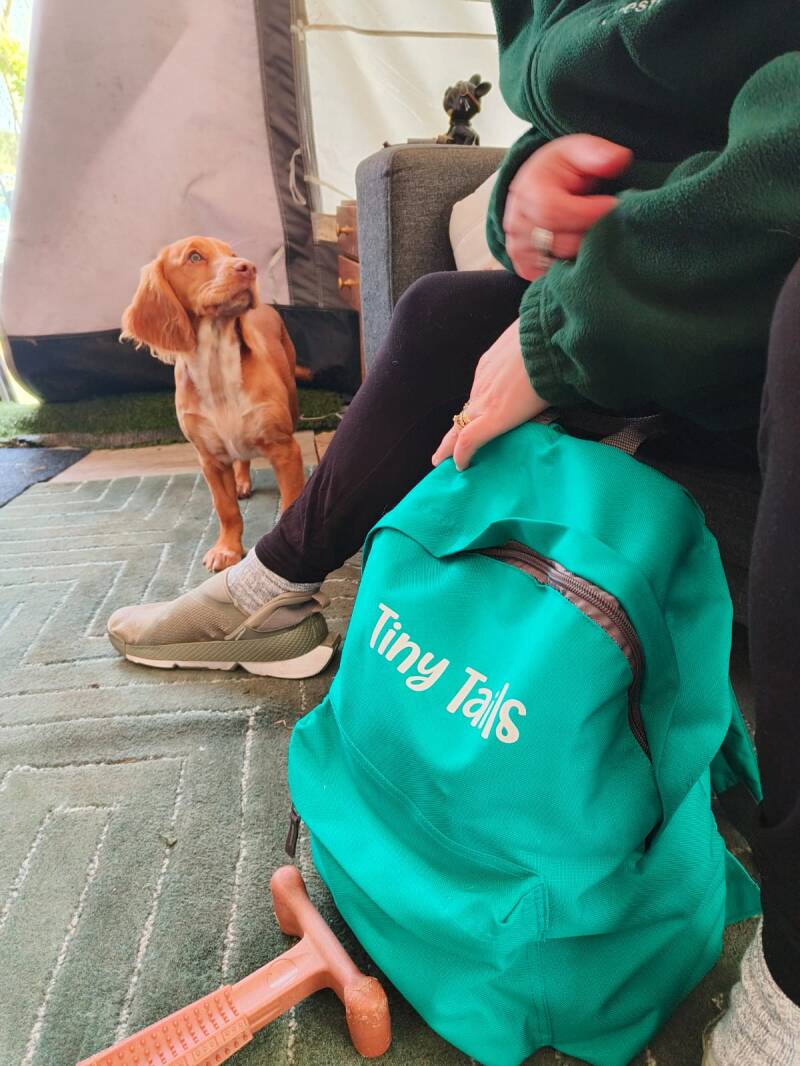
Say hello to the gorgeous Betty 💛
Betty is a 12-week-old working Cocker Spaniel, full of energy, confidence, and personality! She’s already showing what a clever little pup she is—learning her name and beginning to understand her commands 👏
Like many puppies her age, Betty is at that important stage where the right guidance can make all the difference. Together, we’ll be working on building:
✨ Strong foundations
✨ Positive behaviours
✨ Confidence and calmness
Over the next 4 sessions, we’ll also be focusing on lead work, helping Betty learn to walk calmly and confidently without pulling 🐕🦺✨
At Tiny Tails Dog Training Chester, it’s all about supporting both puppy and owner every step of the way 🐶💚
I’m so excited to be part of Betty’s journey and can’t wait to see her grow into a well-mannered, happy dog 🐾
📩 If you’ve recently welcomed a puppy like Betty and want support getting things right from the start, feel free to message me or visit:
🌐 tinytailsdogtrainingchester.co.uk
I offer a range of one to one training services designed to meet you and your dog exactly where you are.
All sessions take place in your own home or local area, removing barriers and allowing your dog to learn in the environment where support is needed most.
My services are ideal for:
New puppy owners
Rescue dogs adjusting to a new life
Dogs struggling with confidence or anxiety
Families wanting better everyday manners

One To One Training
Personalised training sessions addressing specific challenges and goals, providing individual attention and tailored strategies.

Lead Walking
Learn techniques for comfortable and enjoyable walks, reducing pulling and improving on-lead behaviour.

Behaviour Modification
Addressing unwanted behaviours with gentle, positive reinforcement methods, promoting long-term change and understanding.
Overcoming Training Challenges
Consistency is key in dog training. At Tiny Tails Dog Training Chester, I understand the challenges you face. I'm here to provide the support and guidance you need to achieve your training goals with consistency.
🐾 Puppy Training
The puppy stage is one of the most important periods in a dog’s life. With my Puppy Training qualification, I support puppies and their owners in building strong foundations that last a lifetime.
My approach is:
Positive and reward-based
Age-appropriate and gentle
Focused on emotional wellbeing as well as behaviour
Tailored to your puppy’s breed, personality, and home environment
Training takes place in your own home, helping your puppy learn real-life skills in the space where they live, relax, and grow. This removes common barriers such as travel stress, distractions, and overwhelm — making learning calmer and more effective.
Whether you need help with:
Toilet training
Nipping and chewing
Settling and routine
Socialisation
Basic cues and manners
Confidence building
I’ll guide you every step of the way with practical advice, reassurance, and ongoing support.
💚 Where little paws learn big skills.

Dog Training 6 Week Course
🐾 Tiny Tails Dog Training Chester
6-Week Dog Training & Behaviour Programme
✨ Where Little Paws Learn Big Skills ✨
🎯 Programme Overview
Designed for adolescent & adult dogs, this 6-week programme focuses on:
Behaviour challenges
Obedience skills
Emotional regulation
Real-life training
📍 Delivered 1:1 in your home
🐶 Suitable for dogs 6 months+
🗓️ WEEK-BY-WEEK BREAKDOWN
🐾 Week 1 – Assessment & Foundations
Focus: Understanding your dog
✔ Behaviour assessment
✔ Identifying triggers
✔ Engagement & focus work
✔ Introduce marker word
✔ Management strategies
💡 Goal: Understand WHY the behaviour is happening
🐾 Week 2 – Basic Control & Communication
Focus: Clear guidance
✔ Sit, down, focus
✔ Improving responsiveness
✔ Introducing structure
✔ Beginning calm behaviours
💡 Goal: Your dog starts listening reliably
🐾 Week 3 – Lead Walking & Control Outside
Focus: Walks without stress
✔ Loose lead walking
✔ Reducing pulling
✔ Focus around distractions
✔ Handling real-life situations
💡 Goal: Calm, enjoyable walks
🐾 Week 4 – Behaviour Work (Tailored)
Focus: Your dog’s main issue
Examples:
✔ Barking at visitors
✔ Reactivity to dogs/people
✔ Jumping up
✔ Over-excitement
💡 Goal: Reduce unwanted behaviours
🐾 Week 5 – Emotional Regulation & Calmness
Focus: Switching off
✔ Settle training
✔ Reducing arousal levels
✔ Teaching calm choices
✔ Confidence building
💡 Goal: A calmer, more balanced dog
🐾 Week 6 – Independence & Real-Life Reliability
Focus: Long-term success
✔ Separation training
✔ Independence building
✔ Real-life scenarios
✔ Troubleshooting
💡 Goal: A dog you can confidently manage in everyday life
📦 WHAT’S INCLUDED
✔ 6 x 1:1 sessions (60 mins)
✔ Personalised behaviour plan
✔ Ongoing support between sessions
✔ Step-by-step guidance
✔ Progress tracking
💷 PRICING
Full Programme (6 sessions): £270
✨ Best for behaviour cases
Single Session: £50
💡 HOW TO

Dog Training
Dog Training – Personalised, Positive & Home-Based Support
With my Dog Training qualification, I offer tailored, one-to-one training designed to support dogs and their owners through everyday challenges in a calm and supportive way.
My approach is:
Positive and reward-based
Focused on communication and understanding
Adapted to your dog’s age, history, and temperament
Centred around emotional wellbeing as well as behaviour
Training takes place in your own home, allowing us to work on real-life situations where behaviours naturally occur. This makes training more relevant, practical, and effective — without the added stress of unfamiliar environments.
Dog training can help with:
Loose lead foundations
Recall support
Jumping up
General manners
Focus and engagement
Confidence and calmness
Strengthening the bond between you and your dog
Whether you’re looking to build new skills, improve existing behaviour, or simply gain confidence as an owner, I’ll support you every step of the way.
💚 Where little paws learn big skills — at every stage of life.

Canine Physiology And Anatomy
Understanding how a dog’s body works is just as important as understanding behaviour — and that’s exactly what my Canine Physiology & Anatomy qualification provides.
This in-depth training has given me a strong, evidence-based understanding of the structure and function of the canine body, allowing me to tailor training, enrichment, and wellness support safely and effectively for every dog I work with.
What this means for your dog 🐾
My knowledge of canine physiology and anatomy supports:
A clear understanding of the skeletal system, joints, and movement
Awareness of muscle groups, strength, balance, and physical development
Insight into body systems including circulation, respiration, and digestion
How the body and nervous system influence learning, behaviour, and responses
Age-appropriate and breed-appropriate training and activity planning
Why this matters in training & wellbeing
Every dog’s body is different. Puppies, seniors, rescue dogs, and dogs with health considerations all need a carefully adapted approach. With a solid foundation in physiology and anatomy, I can:
Adjust training to suit your dog’s physical capabilities
Avoid unnecessary strain or discomfort
Support confidence, comfort, and long-term wellbeing
Work holistically alongside behaviour, nutrition, and lifestyle needs
A holistic, dog-centred approach 💚
This qualification complements my wider education in behaviour, nutrition, holistic health, massage, and therapy, ensuring your dog’s training and support plan is always:
✔️ Safe
✔️ Ethical
✔️ Individual
✔️ Based on science and welfare

Canine Nutrition Supporting Your Dog From the Inside Out
I hold a Canine Nutrition Diploma, allowing me to support dogs with tailored, evidence-based nutritional guidance that complements their training, behaviour and overall wellbeing.
Nutrition plays a vital role in your dog’s physical health, emotional balance and ability to learn. Poor diet choices can contribute to issues such as digestive upset, low energy, skin conditions, anxiety, poor focus and behavioural challenges.
My nutritional support is practical, realistic and personalised, helping owners make confident, informed choices that suit their dog, their lifestyle and their budget — without judgement or overwhelm.
I work alongside you to ensure nutrition supports:
Training progress
Behavioural balance
Digestive health
Skin & coat condition
Energy levels
Emotional wellbeing
This service fits seamlessly with my holistic, one-to-one, in-home support.

Canine Communication
Understanding Dogs Beyond Words.Dogs are constantly communicating with us — through their body language, facial expressions, posture, movement, and subtle behavioural signals. My Canine Communication Diploma has given me a deep, evidence-based understanding of how dogs express emotions, needs, stress, and comfort long before behaviour escalates.
This qualification allows me to read and interpret your dog’s communication accurately, helping me tailor training and support that truly works for your dog as an individual. By understanding what your dog is telling us, we can prevent misunderstandings, reduce anxiety, and build trust-based relationships that last.
Canine communication is at the heart of everything I do — from puppy training and behaviour support to confidence-building and holistic wellbeing. It enables me to work with your dog, not against them, creating calm, positive, and effective outcomes in your own home.

Canine Behaviour Support
I hold a Canine Behaviour Diploma, enabling me to support dogs and their owners through a wide range of behavioural challenges in a compassionate, ethical, and effective way.
Behaviour is a form of communication. What may appear as “problem behaviour” is often a sign of fear, anxiety, confusion, or unmet needs. My work focuses on identifying the underlying causes of behaviour and supporting long-term emotional wellbeing.
I can help with:
Reactivity towards dogs, people, or environments
Fear-based or anxious behaviours
Barking, lunging, pulling, or over-arousal
Behaviour changes following rescue, rehoming, or routine changes
Confidence building and emotional regulation
My approach is:
Fully force-free and reward-based
Tailored to your dog’s individual needs
Focused on emotional wellbeing as well as behaviour
Delivered in your home, where your dog feels safest
My aim is not just to change behaviour, but to help dogs and their families live calmer, happier, and more enhanced lives
📩 Get in touch to book or discuss your dog’s needs

Understanding Canine Anxiety
I hold a Diploma in Understanding Canine Anxiety, enabling me to support dogs who experience stress, fear, or emotional discomfort in their daily lives.
Anxiety in dogs can develop for many reasons, including separation, noise sensitivity, past experiences, changes in routine, or lack of confidence. It may present as pacing, vocalising, destructive behaviour, withdrawal, or heightened reactivity.
My work focuses on:
Identifying the underlying causes of anxiety
Supporting emotional regulation and calm
Building confidence through positive, reward-based methods
Creating bespoke plans suited to your dog’s individual needs
I take a holistic, compassionate approach, working at your dog’s pace and prioritising their wellbeing at every step. My aim is not just to manage behaviour, but to help your dog feel safer, more secure, and more confident in their world.
If you’re concerned about your dog’s anxiety or would like professional, understanding support, I’d be happy to help.

How do I know if my dog is anxious?
Signs of anxiety can include pacing, trembling, excessive barking or whining, destructive behaviour, withdrawal, toileting indoors, over-attachment, or heightened reactions to sounds, people, or other dogs. Anxiety isn’t always obvious and can be easily misunderstood as “bad behaviour”.
What causes canine anxiety?
Anxiety can develop for many reasons, including separation from owners, noise sensitivities, past experiences, lack of early socialisation, changes in routine, rehoming, illness, or genetic predisposition.
Is this the same as dog training?
This service focuses on your dog’s emotional wellbeing, not just obedience. While behaviour may improve as anxiety reduces, the primary goal is to help your dog feel safe, calm, and secure.
Do you use force-free methods?
Absolutely. All support is positive, reward-based, and fear-free. I never use aversive tools or methods that increase stress or anxiety.
Will this help rescue or rehomed dogs?
Yes. Anxiety support is particularly beneficial for rescue dogs who may have experienced trauma, instability, or sudden life changes.
How long does it take to see improvements?
Every dog is different. Some show small improvements quickly, while others need more time and ongoing support. Progress is always at your dog’s pace.
Can this work alongside vet or behaviourist support?
Yes. Anxiety support complements veterinary care and behaviour plans and can be part of a wider wellbeing approach.
Is this suitable for puppies?
Yes. Early support can prevent anxiety becoming ingrained and helps puppies build confidence from the start.
Canine and Holistic Health and Therapy
I am proud to hold a Canine Holistic Health & Therapy Diploma, allowing me to offer supportive, wellbeing-focused services that look at the whole dog — mind, body and lifestyle.
Holistic canine health considers how emotional wellbeing, physical comfort, environment, routine and nutrition all interact to influence a dog’s behaviour and quality of life. By taking this wider view, support can be gentle, balanced and truly individual.
This approach can be particularly helpful for:
Anxious, sensitive or emotionally overwhelmed dogs
Dogs experiencing stress or behavioural challenges
Senior dogs needing gentle wellbeing support
Dogs recovering from change, disruption or lifestyle adjustments
Dogs alongside positive, reward-based training plans
My holistic work is always dog-centred, ethical and compassionate, complementing training and behaviour support rather than replacing veterinary care. Every session is tailored to your dog’s individual needs, with their comfort and welfare always prioritised.
What is Canine Holistic Health & Therapy
Canine Holistic Health & Therapy looks at the whole dog, considering emotional wellbeing, physical comfort, lifestyle, environment, routine and nutrition. The aim is to support balance and overall wellbeing, rather than focusing on just one symptom or behaviour.
Is this a replacement for veterinary care?
No. Holistic support does not replace veterinary diagnosis or treatment. It works alongside veterinary care to support your dog’s overall wellbeing and comfort.
What types of dogs can benefit?
This approach can support:
Anxious or sensitive dogs
Dogs experiencing stress or emotional overwhelm
Dogs struggling with confidence
Senior dogs needing gentle wellbeing support
Dogs alongside training or behavioural support
What happens during a session?
Sessions are calm and tailored to your dog’s individual needs. I take time to understand your dog’s lifestyle, routine, emotional state and physical comfort, offering gentle, supportive techniques and guidance to promote balance and wellbeing.
Will this help with behaviour issues?
Holistic support can complement training and behaviour work by addressing underlying stress, emotional wellbeing and lifestyle factors that may influence behaviour.
Is the approach force-free and dog-led?
Yes. All sessions are gentle, ethical and dog-led, always respecting your dog’s comfort levels and emotional state.
Is this suitable for puppies or senior dogs?
Absolutely. Holistic support can be adapted for puppies, adult dogs and senior dogs, with sessions always tailored to age, health and individual needs.
Do you work alongside training plans?
Yes. Canine Holistic Health & Therapy works beautifully alongside positive, reward-based training, supporting your dog’s overall wellbeing.
Are you insured and DBS checked?
Yes. I am fully insured and Enhanced DBS checked, giving you complete peace of mind.
How do I know if this is right for my dog?
I’m always happy to chat. Please get in touch to discuss your dog’s needs and whether holistic support would be beneficial.

My goal is to make you feel comfortable, empowered, and ready to learn. With Tiny Tails Dog Training Chester, you'll gain the knowledge and skills to build a stronger, more loving relationship with your dog.

Animal Assisted Therapy
🌿 – Animal Assisted Therapy Qualification
I am delighted to be a fully qualified Animal Assisted Therapy practitioner, enabling me to offer therapeutic, animal-supported sessions that promote emotional wellbeing, confidence and connection.
Animal Assisted Therapy uses the natural, calming presence of animals to support individuals in a safe, nurturing and non-pressured environment. Sessions are designed to gently encourage emotional expression, reduce anxiety, and support mental and emotional regulation.
This service can be particularly beneficial for:
Anxiety, stress and emotional overwhelm
Neurodivergent children and adults
Confidence and self-esteem building
Emotional support during grief or life changes
Individuals who struggle with traditional talk-based approaches
My work is rooted in compassion, positive interaction and holistic wellbeing, always prioritising the welfare of both the person and the animal involved. All sessions are tailored to individual needs and delivered with professionalism, care and sensitivity.
🌿 Enhanced DBS checked and fully insured
What types of behaviour can you help with?
I support a wide range of behavioural concerns including reactivity, fear-based behaviours, barking, lunging, pulling on the lead, resource guarding, over-arousal, and behaviour changes following rescue, rehoming, or life changes.
Is this suitable for reactive or anxious dogs?
Yes. Many behaviour challenges are rooted in anxiety or fear. My approach focuses on emotional wellbeing, confidence building, and helping dogs feel safe and understood.
Do you use aversive or corrective methods?
No. All behaviour support is positive, force-free, and reward-based. I do not use punitive techniques or tools that cause fear, pain, or stress.
Will this work in my home environment?
Yes. Sessions are delivered in-home, allowing me to assess your dog’s behaviour where it naturally occurs and tailor support accordingly.
How many sessions will my dog need?
Every dog is different. Some families see improvements after a few sessions, while others benefit from ongoing support. Progress is always at your dog’s pace.
Can you work alongside my vet or other professionals?
Absolutely. Behaviour support can complement veterinary advice or other professional input and form part of a wider wellbeing plan.
Is this suitable for puppies?
Yes. Early behaviour support can prevent issues from developing and helps puppies build strong foundations for confidence and calm.
Elder Dog Support – Helping Your Dog Age Comfortably & Confidently
.As dogs age, their needs naturally change — physically, emotionally and mentally.
Elder dogs often require patience, understanding and tailored support to help them stay comfortable, confident and engaged in daily life.
I offer gentle, holistic, one-to-one elder dog support in your own home, removing unnecessary stress and allowing your dog to learn and adapt in a familiar, safe environment.
My approach focuses on quality of life, not perfection — supporting both you and your dog through the ageing process with kindness and clarity.
🌿 How I Support Elder Dogs
Gentle training adapted for ageing bodies
Support with mobility changes & reduced stamina
Cognitive enrichment for senior minds
Nutrition & routine guidance to support ageing
Emotional reassurance and confidence building
Helping owners understand age-related behaviour changes
Calm strategies for anxiety, confusion or restlessness
Supporting comfort, dignity and wellbeing
Every session is tailored — there is no rushing, no pressure and no unrealistic expectations.
💛 Why Elder Dogs Benefit from 1-to-1 In-Home Support
Familiar surroundings reduce stress
Training is paced to suit your dog
No overwhelming group environments
Support is personalised, not generic
Owners feel supported and reassured
Ageing is not failure — it’s a stage of life that deserves care, compassion and understanding.

Feel Confident And Empowered

Pet Bereavement Support
Pet Bereavement Support
Losing a beloved pet can be one of the most heartbreaking experiences, and the grief that follows is deeply personal and often misunderstood. As a qualified Pet Bereavement Counsellor, I offer compassionate, non-judgemental support for those coping with loss or preparing to say goodbye. In a calm, safe and understanding space, you’ll be supported to process your emotions at your own pace, honour the bond you shared, and feel less alone during an incredibly difficult time.
